5 Cleaning Mistakes Many People Make (and How to Avoid Them)
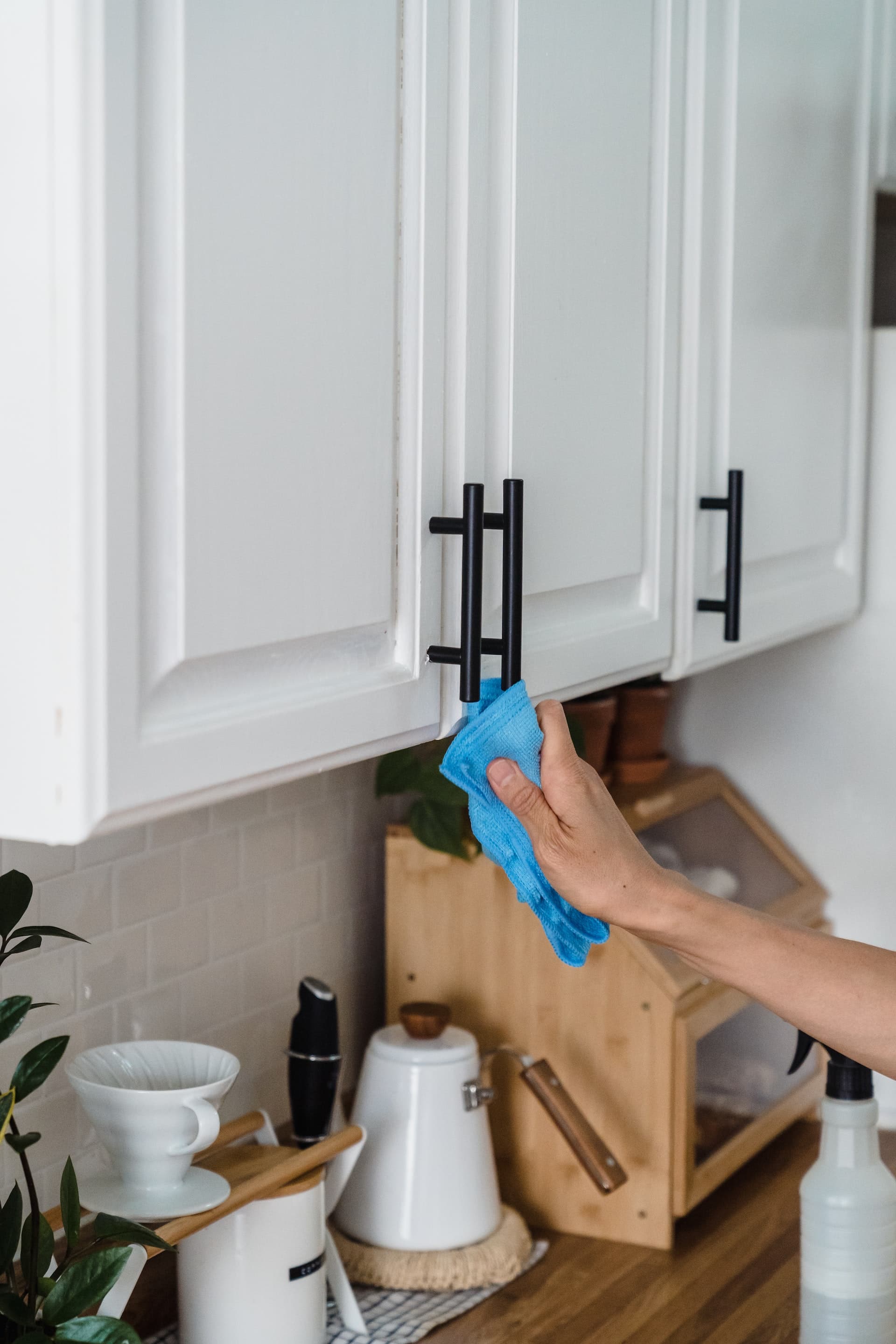
Table of Contents
Keeping your home clean shouldn’t require a degree in chemistry, a closet full of cleaning products, or an entire Saturday afternoon.
But there are a few common cleaning mistakes that can actually make the job harder, slower, or less effective.
Maybe you’re using too much cleaner. Maybe you’re wiping the floors before dusting the furniture. Or maybe your cleaning cloth has been around so long that it deserves its own retirement party.
We’ve all been there.
Here are five common cleaning mistakes you might be making—and a few simple ways to clean smarter.
Using Too Much Cleaning Product
More cleaner doesn’t necessarily mean more clean.
In fact, using too much product can leave behind a film or residue that attracts dust and makes surfaces look dull or sticky. It can also make your cleaning routine more expensive without actually making your home cleaner.
The Fix:
Start with the amount recommended on the product label. For many everyday cleaning jobs, you’ll probably need less than you think.
And don’t assume every surface needs the same product. Cleaning products are designed for different materials and purposes, so check the label before using something new—especially on natural stone, wood, stainless steel, or other specialty surfaces.
Seatown tip: If a freshly cleaned countertop feels tacky, you may not have a dirty countertop. You may simply have too much cleaner left behind.
Cleaning From the Bottom Up
Here’s a simple rule that can save you a surprising amount of time:
Clean from top to bottom.
If you dust a bookshelf after you’ve already vacuumed the floor, where do you think all that dust is going?
Yep. Right back onto the floor you just cleaned.
The fix
Work your way down through the room:
- Pick up clutter and put things where they belong.
- Dust higher surfaces first.
- Wipe countertops, tables, and other surfaces.
- Clean mirrors and glass.
- Vacuum.
- Mop hard floors last.
This simple order keeps dust and debris moving in one direction: out of your house.
It also means you’re not doing the same job twice, which is always a nice little victory.
One more cleaning-order tip
Don’t feel like you have to clean every room in exactly the same way.
Focus on the areas that get the most use first. Kitchens, bathrooms, entryways, and living areas generally deserve more frequent attention than a guest room that gets opened approximately twice a year.
Spraying Cleaner Everywhere and Wiping Immediately
We’ve all done it.
Spray.
Wipe.
Spray again.
Wipe harder.
Wonder why the mystery spot is still there.
Some cleaning products need a little time to work. The amount of time depends on the product and what you’re trying to clean, so follow the manufacturer’s instructions for contact or dwell time rather than assuming every cleaner works instantly.
The fix
Read the label and give the product the recommended amount of time to work.
For routine cleaning, you can also work efficiently by applying product to an appropriate section of a surface, moving on to another task or area as directed, and then returning to wipe when the label allows.
Just don’t let cleaning solution sit on a surface longer than recommended, either. More time isn’t automatically better.
The goal isn’t to make your cleaning solution wait around. It’s to let it do its job.
Cleaning With Dirty Tools
You can spend an hour cleaning your kitchen and still end up spreading yesterday’s grime around if your sponge, cloth, or mop isn’t clean.
Cleaning tools collect the very things you’re trying to remove: dust, grease, food particles, and dirt.
And once a microfiber cloth is saturated with grime, it isn’t doing much dusting anymore.
The fix
Give your cleaning tools some attention, too.
- Use clean microfiber cloths for wiping and dusting.
- Wash reusable cleaning cloths regularly.
- Replace worn-out or heavily soiled sponges.
- Rinse and clean mop heads regularly.
- Empty your vacuum when it’s full and keep filters maintained according to the manufacturer’s instructions.
- Keep separate tools for particularly dirty areas when appropriate.
You don’t need a closet full of fancy equipment.
You just need clean tools that are in good shape.
It’s hard to clean a house with a mop head that has already seen things.
Forgetting the Places You Don't See Every Day
Your home can look perfectly clean while a surprising amount of dust and grime is hiding just outside your normal line of sight.
Think:
- Ceiling fans
- Light fixtures
- Window ledges
- Baseboards
- Behind and underneath furniture
- Cabinet fronts
- Door frames
- Areas around light switches and handles
- The tops of appliances
- Shower corners and edges
These areas don’t necessarily need attention every time you clean. But ignoring them indefinitely can allow dust and buildup to accumulate.
The fix
Add a few overlooked areas to your cleaning rotation.
You don’t have to deep clean your entire house every weekend. Instead, tackle a few less-obvious areas when you have the time.
For example:
This week: Dust the ceiling fans.
Next week: Wipe the baseboards.
The week after: Clean the tops of cabinets and appliances.
Little by little, you’ll stay ahead of the buildup without turning your weekend into a cleaning marathon.
And if your home needs a more thorough reset, that’s exactly where a deep cleaning can help.
A Better Way to Clean Your Home
The secret to cleaning efficiently isn’t necessarily cleaning more.
It’s cleaning in the right order, using the right amount of product, and staying consistent.
A simple routine can go a long way:
Declutter first
Put things away before you start cleaning surfaces. It’s much easier to dust a table when you aren’t moving 14 unrelated objects first.
Work from top to bottom
Dust and debris naturally fall downward. Let gravity help you for once.
Use clean tools
A fresh microfiber cloth will generally do a better job than one that’s already covered in yesterday’s dust.
Follow product instructions
Different cleaners work differently. Check the label for proper use, surfaces, and contact time.
Focus on high-use areas
Kitchens, bathrooms, entryways, and living spaces typically need more frequent attention than rooms that don’t get much traffic.
Don’t try to do everything at once
A little regular maintenance is usually much easier than waiting until your home reaches the “okay, where do I even start?” stage.
How Often Should You Clean Your Home?
There’s no magic cleaning schedule that works for every household.
A home with two adults and no pets will have very different cleaning needs than a busy family with kids, pets, and a kitchen that seems to generate dishes overnight.
For many households, a recurring house cleaning routine is a good way to stay ahead of dust, dirt, and everyday buildup.
Bi-weekly cleaning can be especially convenient because your home gets regular attention without requiring a weekly appointment. If you prefer your home consistently fresh or have a busier household, weekly cleaning may make more sense.
Learn more about how much a bi-weekly cleaning costs in Seattle.
And sometimes you simply need a reset.
That’s where a deep cleaning can be useful. Particularly for first-time professional cleanings, seasonal cleaning, preparing for guests, or homes that haven’t had a detailed cleaning in a while.
The Bottom Line
You don’t need more cleaning products, a bigger vacuum, or a perfectly organized cleaning schedule to keep your home looking good.
A few simple habits can make a big difference:
Use less product.
Clean from top to bottom.
Give products the time they need to work.
Keep your cleaning tools clean.
Don’t forget the overlooked spots.
And when you don’t have the time or simply don’t feel like spending it cleaning, there’s nothing wrong with getting some help.
A clean home is nice.
Having more time to enjoy it is even better.
When Cleaning Starts Taking Over Your Free Time
There’s a point where cleaning stops being a few manageable chores and starts feeling like another part-time job.
If you’re constantly catching up on bathrooms, floors, dusting, and kitchen cleanup, it may be worth outsourcing some of the work.
Seatown Cleaners provides professional house cleaning in Seattle with one-time, recurring, deep, and move-in/move-out cleaning options. You can see your price and book online without waiting for a callback or coordinating a complicated schedule.
Our goal is pretty simple:
Give you back your time.
That might mean getting your Saturday back.
It might mean coming home to a clean house after a long workday.
Or it might just mean never having to look at your bathroom and think, “I’ll deal with that tomorrow.”
Tomorrow has enough problems.
Ready to Spend Less Time Cleaning?
Whether you need a one-time cleaning or want a little help staying on top of things, Seatown Cleaners makes it easy to book professional house cleaning in Seattle.
Get your instant quote and book online.
Save 10% on biweekly cleanings
Check out our recent blog posts: